Key Pointers
- Atrial fibrillation (AF) is a type of irregular heart rhythm that occurs when the upper chambers of the heart beat unpredictably.
- Symptoms may include palpitations, dizziness, fatigue, or shortness of breath, although some people may have no symptoms.
- Occasional palpitations do not always mean atrial fibrillation, but persistent or recurring irregular heartbeat should be evaluated.
- Doctors use tests such as electrocardiogram (ECG) and heart rhythm monitoring to diagnose AF.
- Early assessment may help guide monitoring and treatment decisions.
What Does an Irregular Heartbeat Feel Like?
An irregular heartbeat is often described as palpitations, which may feel like:
- A fluttering sensation in the chest
- A racing heartbeat
- Skipped or extra beats
- A pounding sensation in the chest or neck
These sensations may occur occasionally, especially during stress, exercise, or caffeine intake.
However, if the irregular rhythm happens frequently, lasts longer, or occurs with other symptoms, it may require medical assessment to determine the cause.
How Do You Know If an Irregular Heartbeat Might Be Atrial Fibrillation?
Atrial fibrillation happens when the electrical signals in the heart become disorganised, causing the heart to beat in an irregular and sometimes rapid rhythm.
Some signs that may suggest atrial fibrillation include:
- Irregular or rapid heartbeat that occurs repeatedly
- Shortness of breath, especially during activity
- Fatigue or reduced exercise tolerance
- Dizziness or light-headedness
- Chest discomfort
Symptoms can vary between individuals. Some people experience noticeable palpitations, while others only feel tired or slightly breathless.
Because symptoms can be subtle, medical tests are usually required to confirm the diagnosis.
Is Every Irregular Heartbeat Atrial Fibrillation?
Not necessarily.
Many people experience occasional palpitations, which may be caused by:
- Stress or anxiety
- Dehydration
- Caffeine or alcohol intake
- Lack of sleep
- Hormonal changes
These episodes may be temporary and resolve on their own.
Atrial fibrillation, however, usually involves ongoing or recurring irregular heart rhythms that may persist for minutes, hours, or longer.
Because symptoms can overlap with other conditions, a medical evaluation is often needed to determine the underlying cause.
What Tests Are Used to Diagnose Atrial Fibrillation?
Doctors use several tests to identify abnormal heart rhythms and confirm whether atrial fibrillation is present.
Electrocardiogram (ECG)
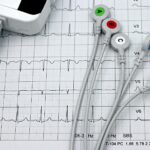
An ECG records the electrical activity of the heart and can detect irregular rhythms during the test.
Holter Monitoring
A Holter monitor is a portable device worn for 24–48 hours that continuously records the heart’s rhythm.
Event Monitoring
If symptoms occur occasionally, an event monitor may be used for longer periods to capture irregular rhythms when they happen.
Echocardiogram
An echocardiogram uses ultrasound to assess the heart’s structure and function.
These tests help doctors understand the heart rhythm pattern and identify possible contributing conditions.
Why Is It Important to Identify Atrial Fibrillation Early?
When the heart rhythm becomes irregular, blood may not flow smoothly through the heart chambers.
Over time, this can increase the risk of blood clot formation, which may lead to complications such as stroke.
Early diagnosis allows doctors to:
- Assess overall heart health
- Identify possible causes or triggers
- Discuss monitoring or treatment options
Not everyone with atrial fibrillation requires the same treatment plan, which is why individual assessment is important.
When Should You See a Heart Specialist for an Irregular Heartbeat?
You may consider seeking medical advice if you experience:
- Frequent heart palpitations
- Persistent irregular heartbeat
- Dizziness or fainting episodes
- Shortness of breath during normal activity
- Chest discomfort accompanied by palpitations
A cardiology consultation typically involves reviewing symptoms, conducting a physical examination, and performing heart rhythm tests.
These steps help determine whether the symptoms are related to atrial fibrillation or another heart rhythm condition.
Frequently Asked Questions
1. How can I tell if my palpitations are atrial fibrillation?
Palpitations caused by atrial fibrillation are usually irregular and may last longer than typical skipped beats. A medical test such as an ECG is needed to confirm the diagnosis.
2. Can atrial fibrillation come and go?
Yes. Some individuals experience paroxysmal atrial fibrillation, where the irregular rhythm starts suddenly and then returns to normal.
3. Is atrial fibrillation always noticeable?
Not always. Some people have silent atrial fibrillation, meaning they do not feel symptoms and the condition is detected during routine tests.
4. What triggers atrial fibrillation?
Possible triggers include high blood pressure, heart disease, thyroid disorders, sleep apnoea, alcohol intake, and advancing age.
5. Can lifestyle changes help manage atrial fibrillation?
Lifestyle adjustments such as managing blood pressure, limiting alcohol intake, improving sleep quality, and regular health monitoring may help reduce risk factors.
Not Sure If Your Irregular Heartbeat Is Atrial Fibrillation? Schedule a Consultation.
Feeling an irregular heartbeat can be concerning, especially when it happens repeatedly or alongside symptoms like dizziness or breathlessness.
A medical evaluation can help determine whether your symptoms are related to atrial fibrillation or another heart rhythm condition.
At The Heart Practice, cardiologists assess heart rhythm symptoms using clinical evaluation and diagnostic tests such as ECG and heart rhythm monitoring, helping patients understand their condition and possible management options.
Call: +65 6733 6811
WhatsApp: +65 8926 0080
Gleneagles Medical Centre, Singapore
Book an appointment to discuss your heart rhythm symptoms.