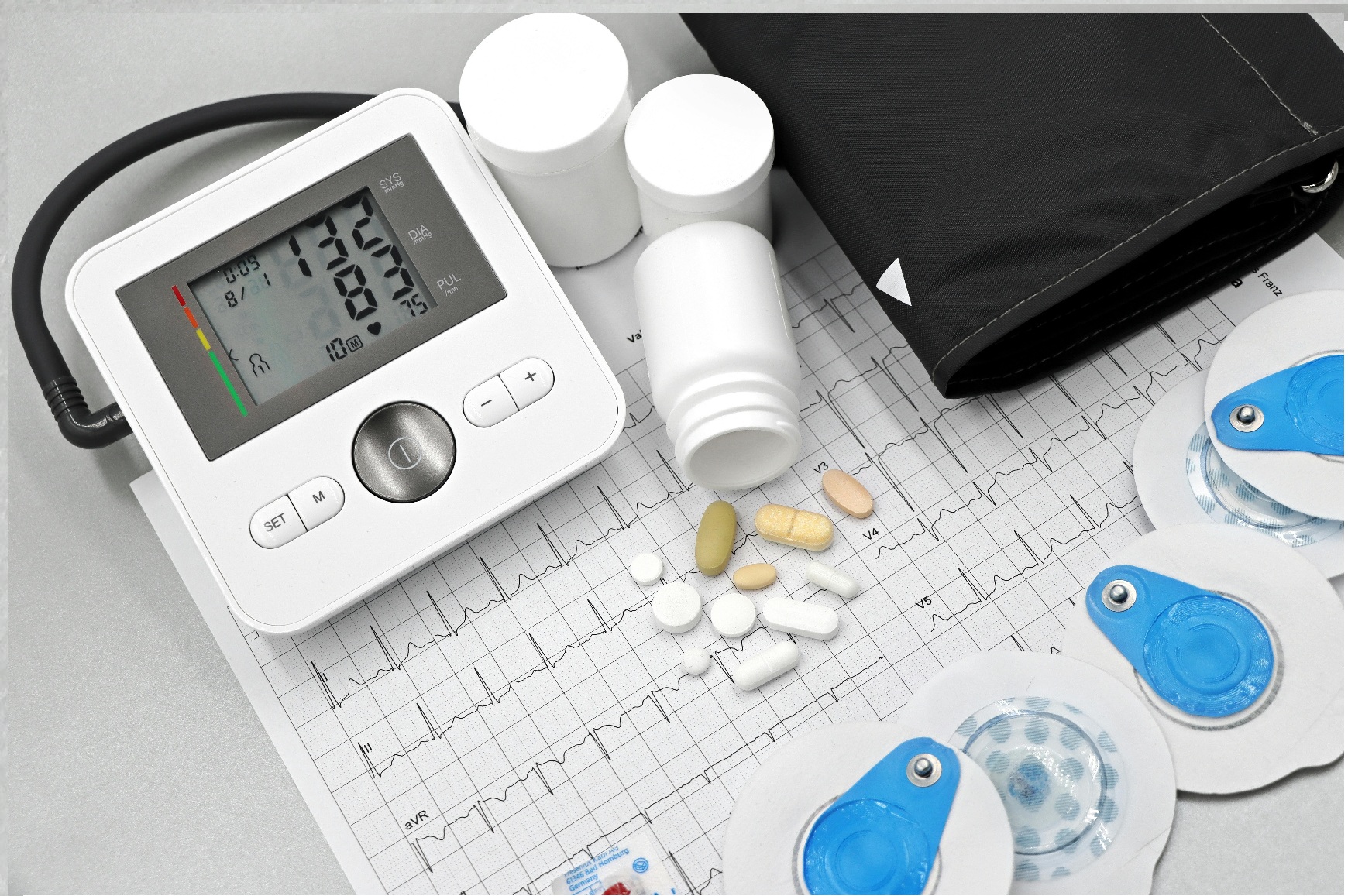
If your irregular heartbeat keeps returning even after starting medication, you may be wondering whether cardiac ablation is the next step.
While medicines can help control many heart rhythm disorders, some arrhythmias continue to recur, cause bothersome symptoms, or affect daily life. In selected patients, cardiac ablation may be considered as a treatment option.
This guide explains when ablation may be discussed, how it works, and what you should know before making a decision.
What Is Cardiac Ablation?
Cardiac ablation is a minimally invasive procedure used to treat certain types of arrhythmias (abnormal heart rhythms).
Thin, flexible tubes called catheters are inserted through blood vessels (usually in the groin) and guided to the heart. Energy (commonly radiofrequency or cryotherapy) is delivered to a small area of heart tissue responsible for triggering the abnormal rhythm.
The aim is to disrupt the faulty electrical pathway and restore a more normal heart rhythm.
What Is an Arrhythmia?
An arrhythmia occurs when the heart beats too fast, too slow, or irregularly. Common types include:
- Atrial fibrillation (AF)
- Atrial flutter
- Supraventricular tachycardia (SVT)
- Certain forms of ventricular tachycardia
Symptoms may include:
- Palpitations (fluttering or racing heartbeat)
- Dizziness or lightheadedness
- Shortness of breath
- Chest discomfort
- Fatigue
- Fainting (in more severe cases)
Some arrhythmias are harmless. Others may increase the risk of complications such as stroke or heart failure, depending on the type and underlying heart condition.
When Is Cardiac Ablation Considered?
1. When Medications Are Not Controlling Symptoms
Anti-arrhythmic medicines may reduce episodes, but they do not work for everyone. If you continue to experience:
- Frequent palpitations
- Recurrent hospital visits
- Persistent symptoms affecting work or daily activities
Your cardiologist may discuss ablation as an alternative strategy.
2. When Medications Cause Side Effects
Some patients experience:
- Fatigue
- Dizziness
- Thyroid or lung-related complications (with certain drugs)
- Low blood pressure
If side effects are significant, ablation may be considered to reduce or eliminate the need for long-term medication.
3. When the Type of Arrhythmia Responds Well to Ablation
Certain arrhythmias, such as some forms of SVT or atrial flutter, may have high success rates with ablation. In selected cases, ablation may even be offered as an early treatment option rather than after multiple medication trials.
How Effective Is Cardiac Ablation?
Success rates vary depending on:
- The type of arrhythmia
- Duration of the condition
- Presence of underlying heart disease
- Overall health
For some rhythm disorders, ablation can significantly reduce episodes. However:
- Multiple procedures may sometimes be required
- Arrhythmias can recur
- Ongoing follow-up is important
Ablation is not suitable for everyone, and individual assessment is necessary.
What Are the Risks?
Cardiac ablation is generally considered safe when performed by experienced teams. However, like any medical procedure, potential risks may include:
- Bleeding or bruising at the catheter site
- Blood vessel injury
- Heart rhythm disturbances
- Blood clots or stroke (rare)
- Damage to nearby heart structures (uncommon)
Your cardiologist will explain the potential risks and benefits based on your specific condition.
How Do I Know If I Should Consider Ablation?
You may benefit from a detailed discussion with a cardiologist if:
- Your arrhythmia keeps recurring despite medication
- Your symptoms are affecting quality of life
- You cannot tolerate prescribed medications
- You have been hospitalised repeatedly for rhythm issues
- You have been diagnosed with atrial fibrillation or other treatable rhythm disorders
Further investigations such as ECG, Holter monitoring, echocardiogram, or specialised electrophysiology studies may be required before making a decision.
Frequently Asked Questions
Can I stop my medications after ablation?
Some patients may be able to reduce or stop certain rhythm medications after successful ablation. However, this depends on the arrhythmia type and your overall risk profile. Blood thinners may still be required in patients with atrial fibrillation based on stroke risk.
Is cardiac ablation a major surgery?
No. It is a minimally invasive catheter-based procedure performed in a specialised cardiac laboratory. It does not involve open-heart surgery.
How long is the recovery?
Most patients stay in hospital for a short period (often overnight). Light activities may resume within a few days, depending on individual recovery.
Will the arrhythmia come back?
Recurrence is possible, particularly in conditions such as atrial fibrillation. Some patients may require repeat procedures.
Is ablation safe for older adults?
Age alone does not automatically exclude someone from ablation. Suitability depends on overall health, heart function, and risk factors.
When to Seek Medical Attention Urgently
Seek immediate medical care if you experience:
- Persistent chest pain
- Severe shortness of breath
- Fainting
- Sudden weakness or speech difficulty
These symptoms may indicate a medical emergency.
Know Your Options, Book an Appointment
If your arrhythmia continues despite medication, it may be appropriate to explore whether further evaluation is needed.
At The Heart Practice, our cardiology team provides comprehensive assessment of heart rhythm disorders, including diagnostic monitoring and discussion of available treatment options.
A detailed consultation allows us to review your symptoms, current medications, and test results before advising on whether cardiac ablation or continued medical therapy is appropriate.
6 Napier Road #03-05, Gleneagles Medical Centre, Singapore 258499
+65 6733 6811
WhatsApp: +65 8926 0080
www.heartpractice.sg
This information is for educational purposes and does not replace professional medical advice. Individual treatment decisions should be made after consultation with a qualified healthcare professional.